Packahome how-to guides
How to pack a home for moving
Pack the belongings you use least first, finish one small area at a time and keep daily essentials out until the end. This guide takes you from the first room list to boxes ready for the people handling your move.
Published October 17, 2026 · By Packahome, operated by Solely Junk LLC
1. Make a room list and choose what is coming
Walk through the home before opening the first box. Include cupboards, closets, the bathroom cabinet, the garage and anything stored under beds. Next to each area, note what is already packed, what you still use and anything that needs a different handling plan. A full kitchen and a mostly empty spare room should not get the same space on your task list.
Separate belongings you are taking from items you are giving away, removing or still deciding about. Mark an ask-first area so helpers do not make those decisions for you. Choose destination rooms in the next home now; that is where your box labels should send the contents.
2. Gather supplies and set up a packing spot
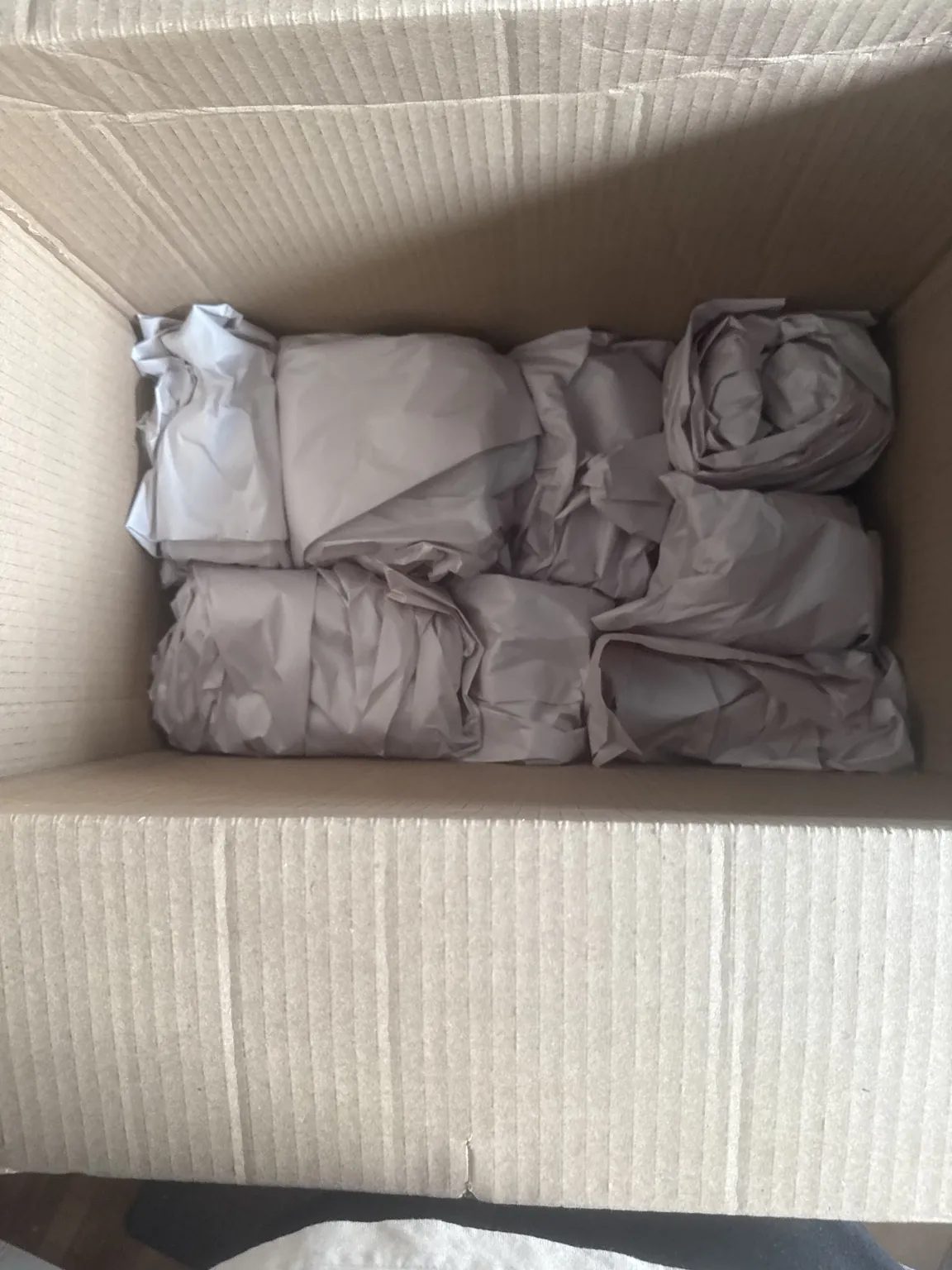
Bring together sound boxes in a few sizes, packing tape, clean packing paper, suitable cushioning and a marker. Use smaller boxes for dense contents and purpose-made packaging where an ordinary carton does not suit the item. Check reused boxes for dampness, crushed corners and weak bases before filling them.
Set up one working surface with the supplies within reach. Keep the floor and exit route clear, and choose a finished-box area away from stairs and busy doorways. Pack a small test group before buying all your supplies; the actual cupboards and belongings tell you more than bedroom count alone.
3. Pack in an order that keeps the home usable
Start with spare-room shelves, seasonal clothes, extra linens and other belongings you will not need before the move. Work through a shelf or cupboard completely: sort it, pack it and label the box. Finishing a small area gives you a clear result and keeps loose piles from spreading through every room.
Move toward the things used every day as your deadline gets closer. Leave a small kitchen set, bathroom kit, working clothes and current work or school equipment accessible. If you have only a short time left, prioritize what must be ready for your separately arranged loading crew and review the complete unfinished packing list.
| Area | Pack earlier | Keep accessible |
|---|---|---|
| Kitchen | Spare dishes, serving pieces and appliances you can do without | A small everyday set and the items for your last meal |
| Bedrooms | Seasonal clothes, spare bedding and most closet contents | Moving clothes, toiletries and bedding for the last night |
| Living room | Books, decorations and framed pieces with suitable protection | Anything still needed for the household routine |
| Bathroom | Spare towels and permitted, closed toiletries | Medication and a personal overnight wash bag |
| Home office | Reference shelves, spare supplies and unused equipment | Current work equipment, documents and chargers |
| Garage and storage | Dry household belongings already selected to move | Unidentified or restricted materials kept out for review |
4. Give different contents the protection they need
Books, glassware and soft bedding need different boxes and preparation. Keep books in manageable cartons; protect dishes individually; separate lamp bases and shades. Use the item guides below for those details. Avoid filling every spare space with unrelated heavy objects just because the box has room.
Keep liquids apart from books, fabric and electronics. Flag valuable artwork, unusually delicate pieces, large appliances and anything you cannot handle comfortably for a separate plan. Follow product instructions for disassembly and transport, and check restricted contents with the company carrying or storing the load before packing them.
5. Close, label and record each finished box
Cushion the contents so they cannot freely shift, while leaving the lid able to close without force. Check the box weight before it becomes awkward and redistribute contents when needed. A fragile label does not fix a weak, bulging or overloaded box.
Label the top and a visible side with the destination room, a useful contents description and opening priority. For example: Kitchen / everyday mugs / open first. Number boxes if you want a simple inventory: box 12, kitchen, mugs and tea supplies. Keep the list on your phone or with your moving notes, rather than inside one of the boxes.
6. Build a last-day and first-night kit
Set aside the things you need while most of the home is boxed: clothes, toiletries, chargers, a towel, bedding and a simple kitchen set. Add the items needed by children or pets for your own household. Keep this kit clearly apart from the finished boxes so it can travel where you can reach it.
Keep keys, identification, medication, important documents and personal valuables under your control. Leave out the cleaning items you need for the final walk-through, and decide how permitted liquids will travel. Check the new home’s access arrangements before the kit and boxes leave the old one.
7. Review the carrying route and loading handoff
Tell the people handling loading which boxes contain breakables and which need to stay accessible. Confirm parking, stairs, building access and the point where finished boxes should wait. Keep rooms and passages usable; a wall of boxes across the hallway creates extra work before loading can even begin.
For a Packahome full-home packing quote, describe the complete room list and work still left rather than only the bedroom count. Include the deadline, supplies, staging area and coordination priorities. Arrange carrying, loading, vehicle and transportation with your chosen moving provider. The team confirms the packing scope, materials, price and appointment.
8. Walk through every room before you leave
Open each cupboard and drawer, look behind doors and check the storage spaces on your original room list. Separate anything left to travel with you from anything still awaiting a packing decision. Give each remaining item a destination before the last boxes are loaded.
Use this final check as a handoff list. If a room is unfinished, say what remains and who will handle it. That is more useful than sealing a miscellaneous box that hides chargers, bathroom products and kitchen tools together.
- Every finished box closes normally and has a destination label.
- Essential bags, medication, keys and documents stay accessible.
- Stairs, exits and carrying routes remain clear.
- Fragile, oversized and restricted items have a reviewed plan.
- The people packing, loading and providing transport know their tasks.
Common packing questions
What should I pack first when moving a home?
Start with belongings you will not use before moving day: spare-room contents, seasonal clothes, books and extra linens. Keep everyday kitchen, bathroom, work and sleeping essentials out until later.
How long does it take to pack a home?
It depends on how much is in the cupboards and storage spaces, what needs wrapping, who is helping and the time available each day. Plan from the actual contents and test how long one small area takes before setting a whole-home target.
How many boxes do I need to pack a house?
Start with a room and cupboard inventory rather than one fixed number per bedroom. Dense books, fragile kitchen contents, hanging clothes and bedding use different packaging. Check what you already have and allow time to obtain more suitable boxes.
Can Packahome pack only the rooms I have left?
Packahome now focuses on full-home packing, with agreed move staging and coordination. Describe the whole-home project, materials and deadline for a scope review. The how-to guides can help with the preparation you are handling yourself.
Keep going with your packing plan
Useful references
Additional guidance on assembling boxes, protecting contents and labeling by destination.
Keep electronics and their cables together.
Record the setup before disconnecting, label each equipment group and keep its accessories identifiable for arrival.
Pack electronics and organize cablesRequesting Packahome for the project?
Our service focus is full-home packing with agreed move staging and coordination. Use the guide for your own preparation, then share the whole-home room list, materials and deadline for quote review.
Get my home-packing quoteCheck the finished boxes before moving day
Look for weak cartons, difficult box weights, loose contents and missing destination labels before the loading handoff.
Check the finished boxes before moving dayYour next chapter
Get the home ready for moving day.
Tell us about the home, the packing left and any staging or coordination you want reviewed.