Packing a home
How to pack bedding and linens for moving
Soft belongings take up more space than you expect, especially when the beds are stripped on moving morning. Plan clean, dry containers and keep the first-night bedding easy to find.
Published October 17, 2026 · Packahome, operated by Solely Junk LLC
Separate the first-night bed from the linen closet.
Choose a complete set for each bed needed on the first night: fitted sheet, top sheet if used, pillowcases and appropriate covers. Keep the set together and label the room or person it belongs to. Decide whether these bags travel with you or stay accessible in the load.
Add a small set of towels to the arrival essentials. The rest of the linen closet can be packed earlier. This avoids opening several cartons to find one pillowcase while someone is trying to assemble a bed at the end of the day.
Pack only clean, completely dry textiles.
Make sure bedding, towels and blankets are dry before sealing them in a bag or container. Damp fabric should not be packed away and forgotten during a move. Keep laundry that still needs washing apart from the clean linen groups.
Use clean containers appropriate for the trip and any storage period. Check that bags have no holes or sharp objects nearby. Ordinary household packing is not a substitute for a storage plan suited to moisture-sensitive belongings or an unsuitable storage environment.
Bundle sets and control bulky volume.
Fold matching sheets together or place a set inside one of its pillowcases so the pieces stay together. Group towels by bathroom or household member. Mark spare or seasonal sets separately from bedding needed immediately.
Pack pillows and comforters in manageable containers without forcing a box closed. If using compression, check the care instructions for the filling and fabric first. Allow space in the moving plan for the bedding coming off the beds on departure morning; it is easy to underestimate that final pile.
Keep furniture protection separate from sleeping linen.
Use appropriate furniture protection for carrying and loading rather than assuming your good sheets can serve every purpose. Material used on a loading route may pick up dirt or catch on a rough surface. Keep clean sleeping linen separate from those supplies.
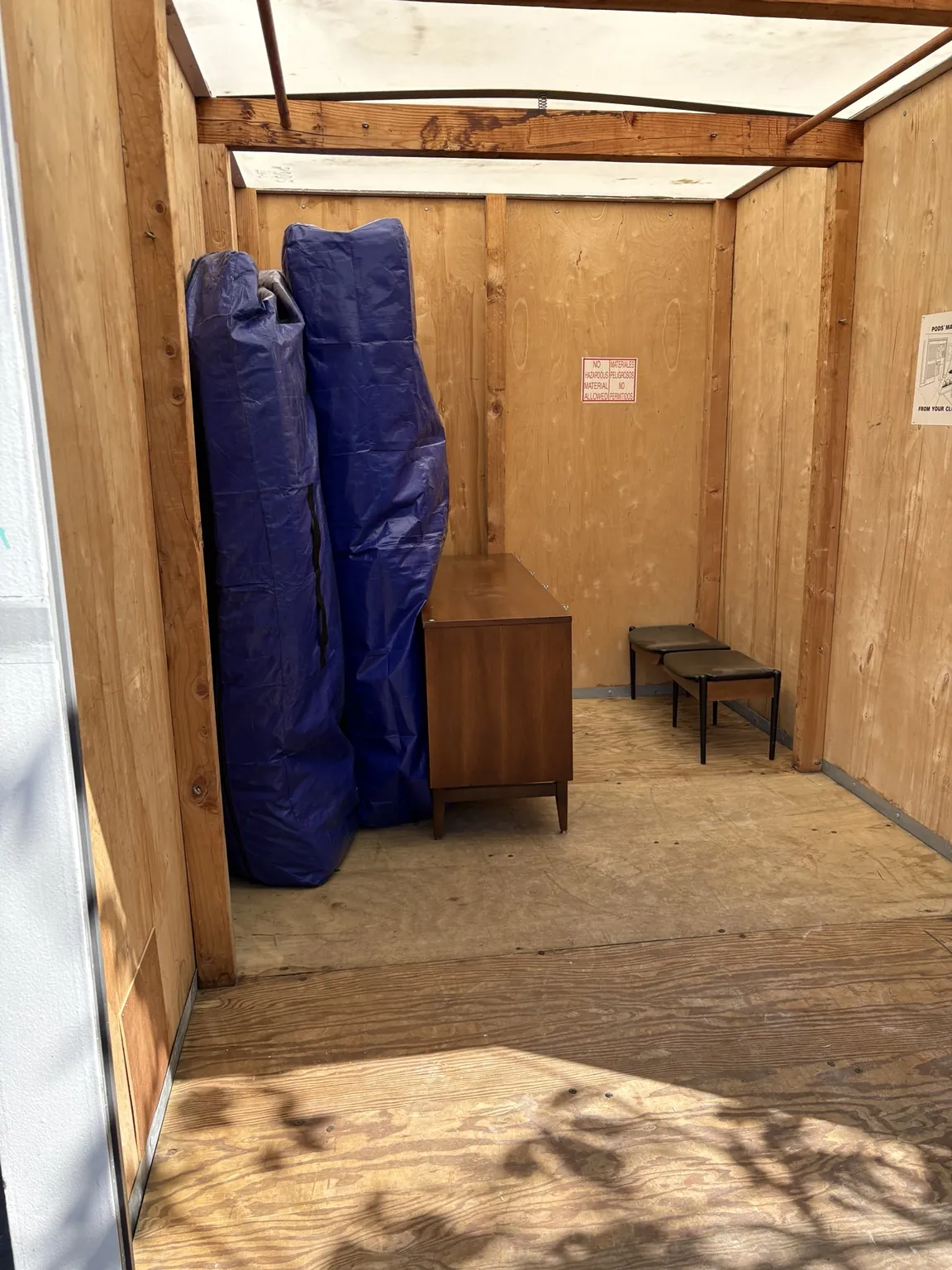
Ask the people handling mattresses which suitable covers and carrying approach are needed. A mattress cover, a moving blanket and a clean duvet are different things. Describe beds and mattresses in the labor request rather than including them only under “bedroom boxes.”
Finish the bedroom in a useful order.
At arrival, confirm the furniture is ready for use before making the bed. Locate the labeled first-night set, make the essential beds and set out towels. Leave spare linen packed until the daily spaces are working.
If you want help putting linens into cupboards after unloading, include unpacking in your request. Tell us whether you need bedroom packing before departure, unloading at arrival or setup afterward. Those stages can be reviewed together, but each needs a clear task list.
Packing questions.
Should I pack bedding before moving day?
Pack spare and seasonal linens early. Leave out the sets still in use and prepare clearly labeled containers for them when the beds are stripped.
Can I use bedding as furniture padding?
Keep your clean sleeping linen separate and agree on appropriate furniture protection with the loading team. Bedding used on a carrying route may become dirty or damaged.
Put the advice to work.
Your next chapter
Need a hand with the packing?
Tell us the rooms, supplies, work location and timing. We will review the tasks and quote with you.