Packing a home
How to pack dishes and glasses for a move
Start with clean, dry dishes, suitable boxes and enough wrapping material. Work through one cupboard at a time, protecting each piece and keeping a small everyday set out until the final day.
Published October 17, 2026 · Packahome, operated by Solely Junk LLC
Set aside the kitchen you still need.
Before emptying a cupboard, choose the plates, cups and utensils you will keep using. Put that small set in a clearly marked area with the kettle, coffee supplies or other items needed on your last morning. This stops someone from packing them while you work on the rest.
Sort the remaining contents into everyday dishes, glasses, cookware and unusually delicate pieces. Separate chipped or cracked items for your own decision. Empty liquids and food from containers before considering them for the same packing area.
Choose the box before wrapping everything.
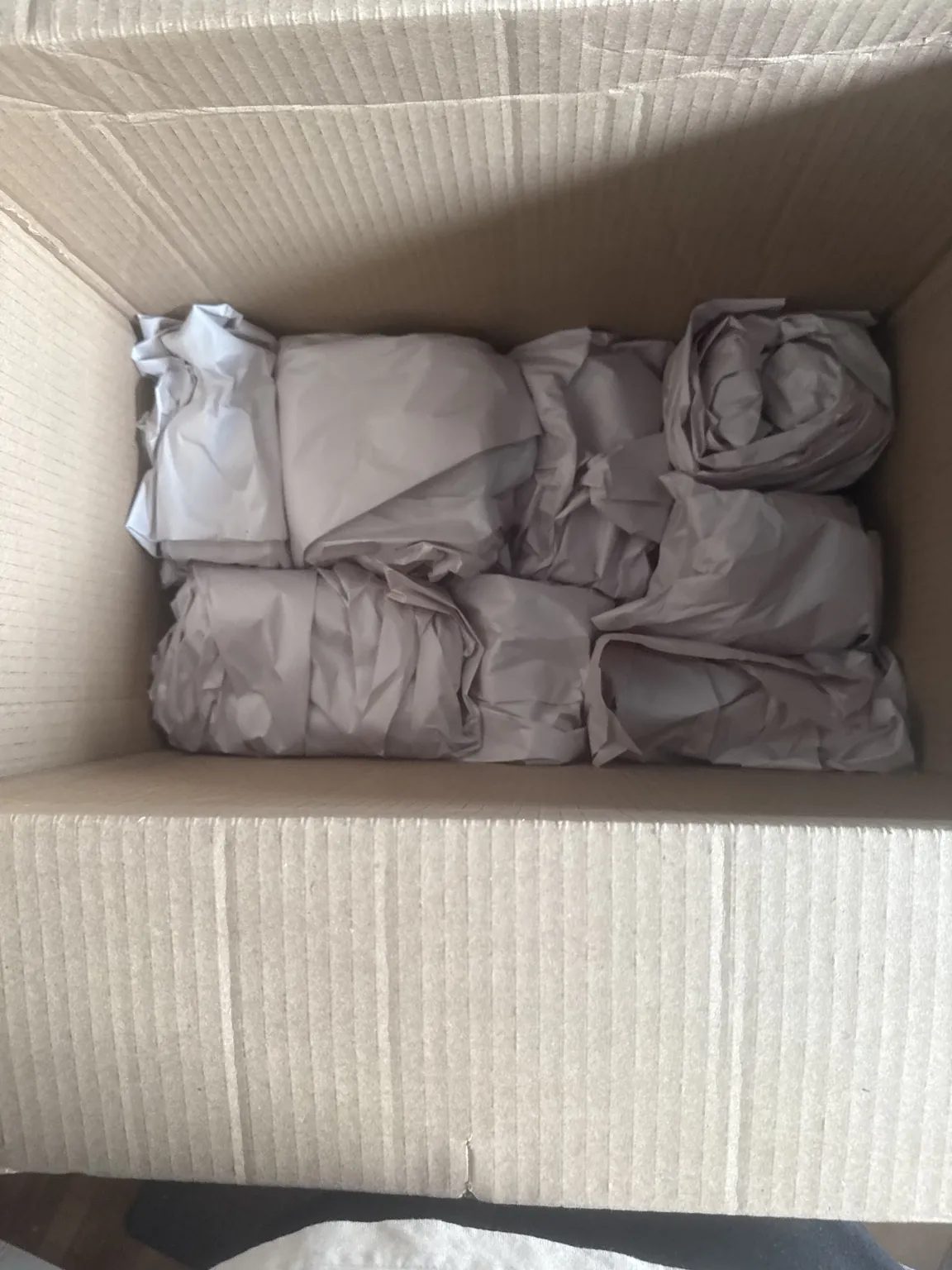
Use clean, dry, sturdy boxes suitable for breakable contents. Reinforce the base as appropriate for the box and use cushioning on the bottom. A divided glassware box can help separate glasses, but dividers do not replace suitable wrapping and cushioning.
Keep the finished weight manageable. A large box that fits every plate may be difficult to carry or too heavy for its base. Set up more small boxes rather than solving a weight problem by adding another layer of tape to a weak carton.
Wrap pieces separately and keep them from knocking together.
Wrap each plate with clean packing paper, protecting its surface and edges. Plates are commonly packed upright on edge in a cushioned box rather than laid in a tall, unprotected stack. Keep the pieces snugly supported without forcing them against the carton.
Wrap glasses individually, including rims and bases, and place them upright with appropriate separation. Do not nest unprotected glasses together. Stemware and unusually thin glass need particular care; use suitable purpose-made packaging or ask about specialist handling for valuable or delicate pieces.
Check the spaces, weight and label before closing.
Use appropriate packing material to fill gaps so contents cannot freely knock together. Avoid compressing paper so hard that pressure is transferred to a fragile rim or handle. Cushion above the contents and check the lid closes normally without pushing down on the dishes.
Write the destination room and contents on the top and a side: Kitchen — everyday plates, for example. Mark the box fragile and identify any open-first box. Labels help people understand the contents; they do not make an overfilled or weak box suitable for transport.
Make the handoff to loading clear.
Keep packed kitchen boxes in the agreed staging area, away from a busy doorway. Tell whoever loads the vehicle which boxes contain breakables and which kitchen essentials need to remain accessible. Do not let a loose bag of everyday dishes become an unlabeled last-minute addition.
If the remaining kitchen is slowing the move down, ask for kitchen-packing help and show the cupboards, supplies and deadline. Packing labor, materials and carrying or loading should be included in the work you request.
Packing questions.
Can I put dishes in a box without wrapping each one?
Unprotected dishes can knock together and chip. Use individual wrapping and suitable cushioning, and review especially delicate pieces separately.
Should I pack the entire kitchen at once?
Leave out a small everyday set and first-morning essentials. Pack the cupboards you no longer need first, then finish the items still in use close to moving day.
Put the advice to work.
Your next chapter
Need a hand with the packing?
Tell us the rooms, supplies, work location and timing. We will review the tasks and quote with you.