Packing a home
How to pack books without making every box too heavy
Books make a box heavy before it looks full. Start with smaller sturdy cartons, protect covers and corners, and group books in a way that makes the shelves easier to rebuild.
Published October 17, 2026 · Packahome, operated by Solely Junk LLC
Sort on the shelf, then pack the keepers.
Decide which books are coming before you start filling cartons. Use a separate area for donations, returns and books that belong to someone else. Packing every shelf and making those decisions after the move adds carrying work you may not need.
Choose a grouping that will still make sense at the next home: room, subject, family member or a particular shelf. A quick shelf photograph can preserve the arrangement. Keep currently used schoolbooks, work references or bedtime books apart from the main pack.
Use a box you can handle when it is filled.
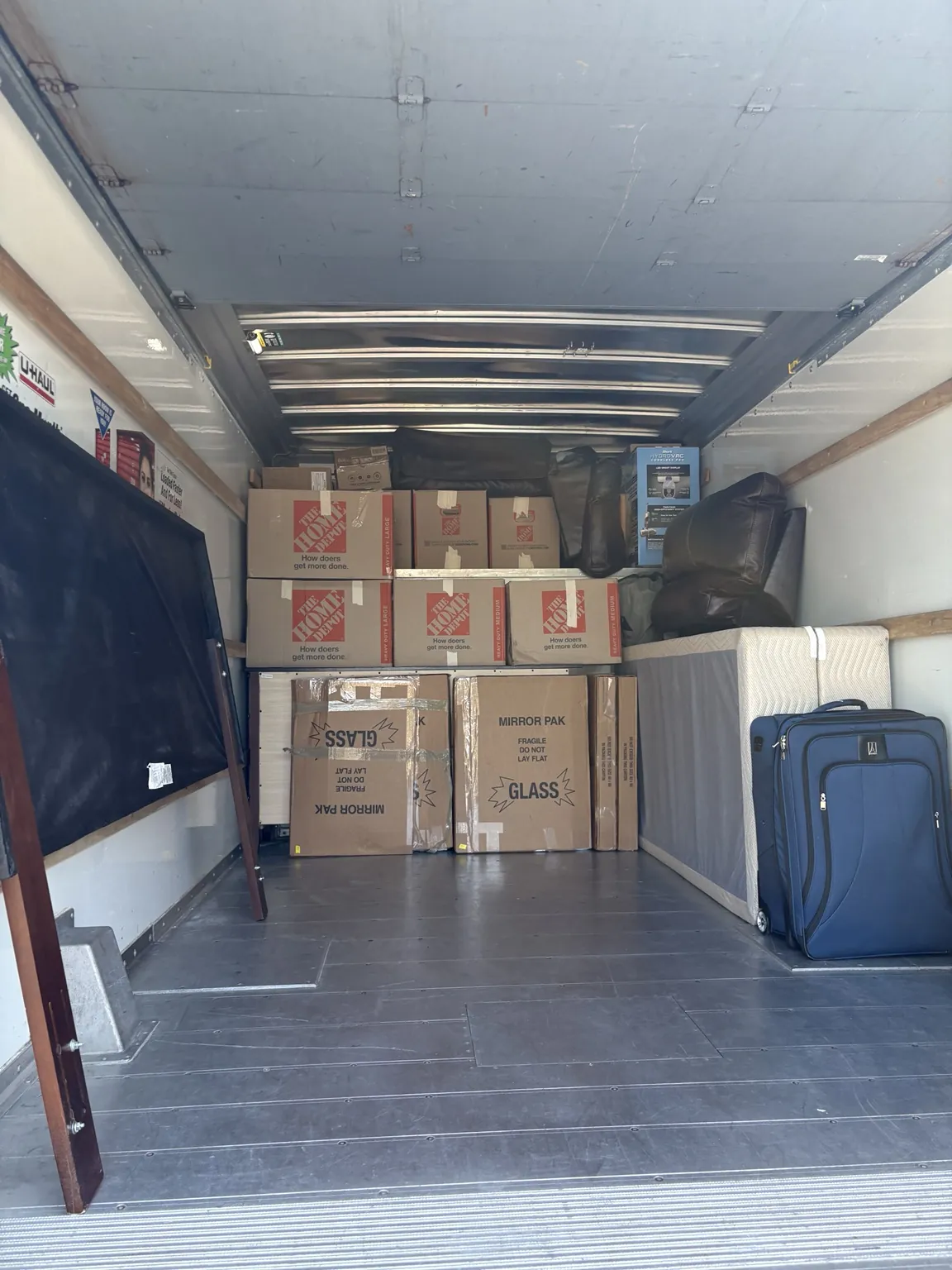
Choose smaller, sound boxes with secure bases. Test the weight early instead of filling a large carton to its top. If the box is becoming awkward to handle, stop and redistribute the books. Account for stairs and long carrying distances as well as lifting the box off the table.
Do not assume a suitcase or plastic tote can hold unlimited weight. Check its condition, handles and intended load. Wheels may help on a smooth floor but do not remove the need to lift the container over steps or into a vehicle.
Protect covers and avoid bent pages.
Pack books flat or upright with support so covers and pages do not bend into gaps. Avoid placing books with their page edges down and the spines unsupported above them. Use clean packing material around the contents to keep the books from shifting.
Protect dust jackets and delicate covers from rubbing. Keep books away from liquids and pack only dry items. Valuable, rare or damaged volumes need a handling plan suited to their condition; do not treat an ordinary household carton as archival protection.
Label the collection, not just “books.”
Use a label such as Office — cookbooks and reference shelf, adjusted to the actual destination. Add a box number if a collection spans several cartons. That lets you locate one category without opening every box or moving heavy cartons repeatedly.
Mark the heavier cartons clearly and tell the loading crew where they are staged. Avoid stacking them on fragile household boxes or blocking a hallway with the finished collection. Discuss placement in the vehicle with whoever is responsible for the loading plan.
Unpack where the shelves will stay.
Choose the final position of shelving before refilling it. Follow the furniture maker’s instructions for assembly and any anchoring; include assembly tasks in a separate agreed plan if help is needed. Carry manageable groups of books to the correct room rather than filling shelves in a temporary position.
For a large collection, ask for packing and carrying help together. Describe the number of shelves, the supplies already available, stairs and the distance to the loading point. The shelf count is useful context, but the actual volume and access shape the work.
Packing questions.
Can I use large moving boxes for books?
A large carton can become too heavy before it looks full. Smaller sturdy boxes make the weight easier to manage; check the actual box and carrying route.
How should I label several boxes from one bookcase?
Use the destination room and a shelf or subject category, then number the boxes if useful. Keep your shelf photograph or list with your moving notes.
Put the advice to work.
Your next chapter
Need a hand with the packing?
Tell us the rooms, supplies, work location and timing. We will review the tasks and quote with you.