Packahome how-to guides
How to pack a kitchen for moving
Start with the cupboards you can do without, leave a small everyday set accessible and finish one category at a time. A kitchen needs a plan for breakables, dense cookware, appliances and the last items still in use.
Published October 17, 2026 · By Packahome, operated by Solely Junk LLC
Choose the kitchen you still need until departure
Before opening every cupboard, choose a small working set for the final days: dishes, cups, utensils and the equipment your household still uses. Keep it in an agreed place and tell everyone helping that it stays out. Include a plan for cleaning up after the final meal.
Set aside an arrival set for the next home. Keep personal medication, keys and important papers with you. List who will finish the last-use kitchen items and when, so a loose group on the counter does not become an unfinished task after the main packing is done.
Sort one cupboard and prepare the boxes
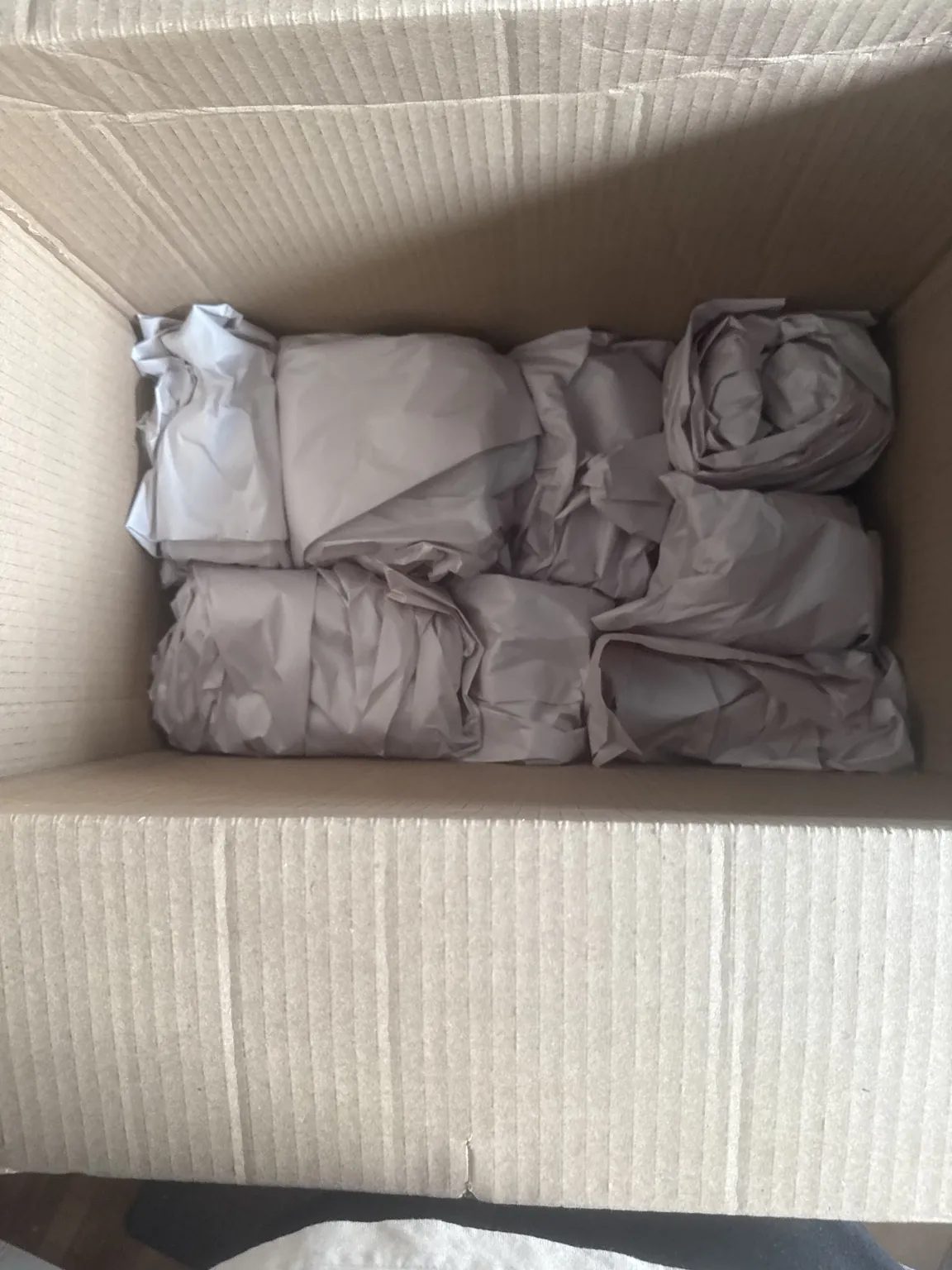
Work through the contents of one cupboard or drawer before spreading across the entire room. Separate dishes and glasses, cookware, appliances, utensils and food. Decide what is coming with you and leave undecided belongings available for your decision.
Bring sound boxes, clean paper, cushioning, tape and labels to a clear surface. Use manageable cartons for dense kitchen contents. Purpose-made dish or glass packaging can help separate fragile pieces when assembled and used as directed. Keep damaged cartons out of the working supply pile.
Pack dishes and glassware as their own task
Protect individual pieces and keep them from knocking together. Use cushioning and the packaging instructions for the dishes or glasses you are handling. Thin stemware, projecting handles and valuable pieces need particular attention; do not force them into an ordinary mixed box.
Finish and label each small group before starting another. Follow the detailed dishes-and-glasses guide for the item method. Leave any piece needing a different plan identifiable, rather than sealing it into a carton that someone else will assume is ready.
Group cookware, utensils and small appliances
Keep cookware in manageable groups. Protect finishes where pieces meet and wrap fragile lids separately. Keep sharp utensils in their guards or protective cases and identify them clearly so someone opening the carton will not reach blindly into packing paper.
Gather each appliance with its own removable pieces and instructions. Finish its last use with time for ordinary cleaning, cooling and drying, following the maker’s directions. Prepare the actual model for transport; glass jars, reservoirs and moving parts should not be treated as one interchangeable packing task.
Make a separate plan for food, liquids and cleaners
Work out which food will be used before the move and which permitted items will travel. Keep food and liquid containers separate from dry fragile goods and equipment. Ask the transport provider about its accepted contents and arrangements for anything needing special handling.
Keep cleaning products identifiable in their original containers and follow their labels. Do not mix leftovers or assume that putting a product inside a closed box makes it acceptable to move. Perishable food, connected appliances and restricted products need their own arrangements.
Label, stage and check the whole kitchen
Use destination-room and contents labels that will make sense after arrival: Kitchen — everyday plates or Kitchen — coffee equipment, for example. Identify the first-use group and any matching boxes for one appliance. Check cartons close normally and are manageable before staging them.
Open the cupboards and drawers for a final check. Identify the everyday set still in use, anything excluded and any piece awaiting an answer. Share that status with the next provider. In a Packahome project, include the kitchen in the whole-home room list and agree on materials, staging and the packing deadline.
Common packing questions
What should I pack first in a kitchen?
Start with serving pieces, spare dishes and occasional-use equipment you will not need before moving day. Keep a small everyday set out and give last-use items a named finishing task.
Should dishes, pots and appliances share a box?
Group contents by their packing needs and finished weight. Dense cookware and fragile glass need different protection; keep unrelated pieces from pressing or knocking against one another.
What kitchen items should stay out until moving day?
Keep the small kitchen set and cleaning items you still need accessible, along with the food arrangements for departure. Identify who packs the last-use items after their final use.
Can I include the kitchen in a whole-home packing quote?
Yes. Show the cupboards, contents, appliances, supplies and what is already packed as part of the whole-home room list. The team reviews the accepted preparation, materials, staging and deadline.
Useful references
U-Haul: Kitchen packing guidance
Additional guidance on dish packaging, protected cookware and small-appliance boxes. Follow the instructions for the actual item and packaging.
EPA: Household hazardous products
Follow product labels, retain original containers and never mix leftover hazardous products.
Related guides
Need help packing the home?
Full-home packing, staging and coordination. You arrange moving and transport.
See the service