Packing, labels and move staging
How to stage packed boxes before moving
Choose where finished boxes will wait before packing spreads through the home. A dry, organized staging area makes the contents and priorities easier to see when the loading crew you arrange arrives.
Published October 17, 2026 · By Packahome, operated by Solely Junk LLC
Choose the staging area before filling it
Walk the route from the packing rooms toward the loading point with the people responsible for the move. Choose an agreed indoor area that keeps doors, exits, stairs and everyday paths open. Check building rules and access arrangements where they apply.
Use a dry space with a firm, level surface. Keep finished cartons away from wet entryways and places where rain could reach them. If your home has limited room, agree which boxes can stay in their destination-room groups instead of blocking one central hallway.
Group boxes by their next destination
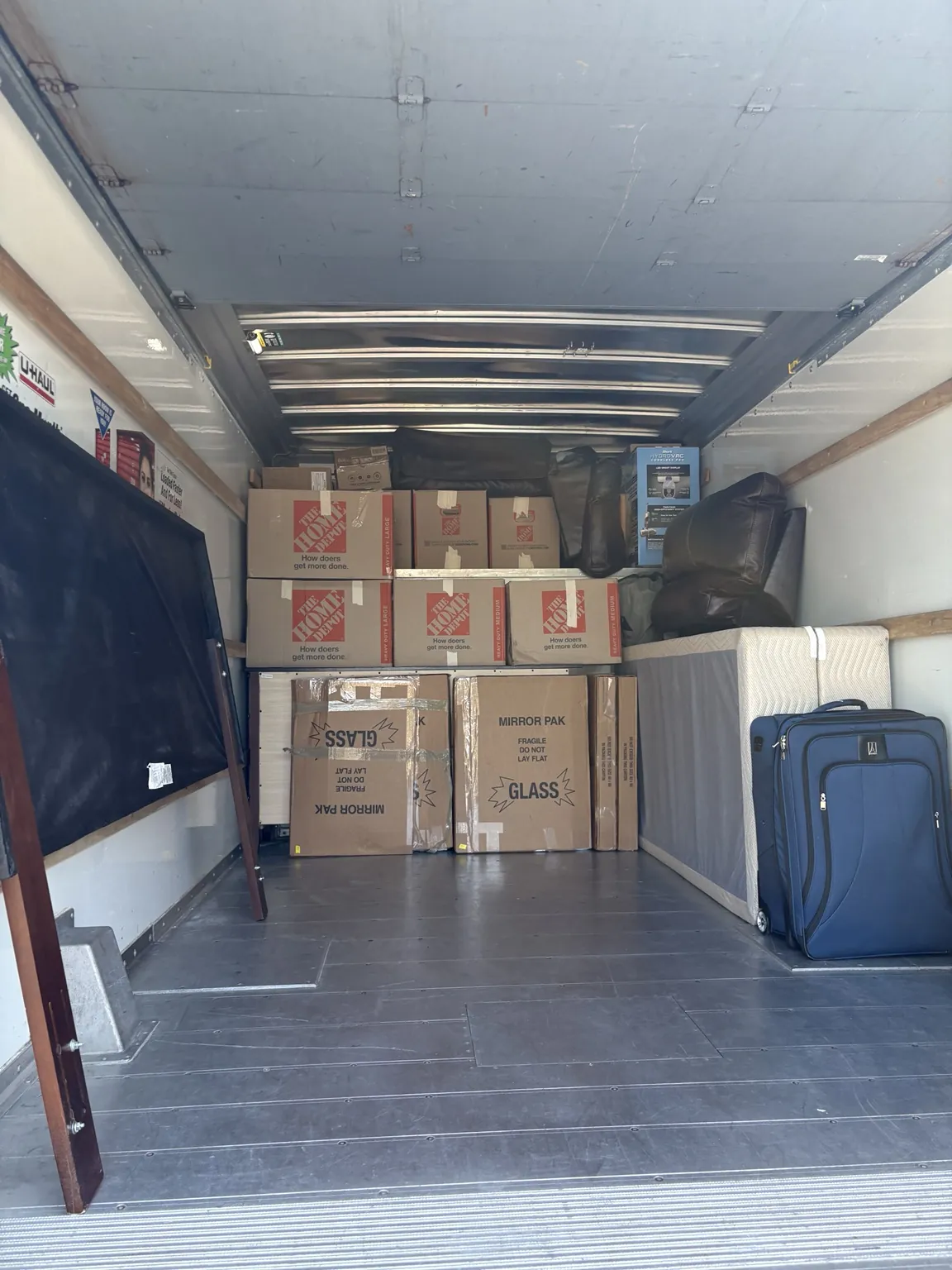
Use the room names from the next home, not just the room where a box was packed. A bedroom that will become an office needs its new destination on the label. Mark a different destination, such as storage, clearly before boxes are grouped together.
Keep labels readable from the side where practical, with a short contents description and a box number if you are keeping a list. A label such as Kitchen — breakfast mugs — open first gives the next person more direction than a box marked Miscellaneous.
Separate essentials and unfinished belongings
Keep first-night boxes and the bags traveling with you identifiable. Medication, keys, important documents and valuables stay under your control. Tell everyone helping where that keep-with-you group is so it does not disappear into the main load.
Use a separate, clearly marked place for open boxes, loose items and belongings awaiting a decision. A full carton is not ready for the handoff until its packing and closure are checked. Note who will finish each remaining group and when.
Check the boxes before grouping them
Look for damaged cardboard, failing seams, bulging lids and boxes that are difficult to handle under control. Repack problem cartons before they join the finished group. Check fragile-item wrapping before closing a box rather than shaking it to test the contents.
Keep heavier cartons low in stable groups and protect fragile boxes from loads they cannot support. Follow packaging instructions and avoid building an unstable pile simply to clear floor space. Ask the loading provider about the groups and handling details it needs to see.
Keep the access route usable
Check the carrying path again as more cartons are finished. Keep doors able to open, avoid loose tape or packing scraps on the floor and leave stair landings available. A convenient working spot early in the day can become an obstruction once several rooms are packed.
Tell the moving provider about stairs, building work windows and the distance from the staging area to the vehicle. Confirm any permitted loading position and building protection requirements with the relevant property contact. Staging a room does not reserve an elevator or a truck.
Finish with a clear packing handoff
Walk through the accepted rooms and staging area. Identify the packed groups, first-night priorities, fragile pieces and anything still unfinished. Keep a short room or box list with your moving notes so the next provider can ask about the actual contents.
Packahome focuses on full-home packing with agreed staging and coordination. Share the proposed staging area and mover timing when you request the work. You arrange loading, unloading and transport; each provider confirms its own tasks and appointment.
A final staging check
- The staging area and boxes are dry.
- Doors, stairs, exits and everyday paths remain clear.
- Destination labels can be found without opening boxes.
- First-night essentials and personal belongings stay identifiable.
- Unfinished items have an owner and a plan.
- The loading provider knows the packing status and special handling concerns.
Box-staging questions
Where should I put packed boxes before moving?
Choose an agreed dry indoor area that keeps doors, exits, stairs and daily routes clear. If one central area would block access, discuss room-by-room groups with the people handling the move.
Should all moving boxes go in one room?
Use the space and carrying plan to decide. One room may work when there is enough clear space; several labeled groups may be more practical when a central pile would block access or hide important boxes.
Can packed boxes wait outside?
Choose dry indoor staging where practical and keep cardboard away from wet surfaces and rain. Discuss the actual handoff location and weather arrangements with the people handling loading before putting boxes outside.
Related guides
Need help packing the home?
Full-home packing, staging and coordination. You arrange moving and transport.
See the service